
UNCC Rooms · University City, Charlotte · Last updated: August 2026
The average apartment in Charlotte rents for $1,566 a month. Typically, a prospective tenant would need to make approximately three (3) times the rent to qualify – $4,698 a month, or $56,376 gross annually. In 2026 – many people are finding that a tough barrier to cross – hence the rise in room rentals in Charlotte.
A private room in one of our University City units starts at $525, and the utilities are in that number. That’s a much more affordable option for many people and it’s not just students calling about rooms for rent or the more popular term lately “co-living.”
Many people are just feeling squeezed on the housing costs and are looking for alternatives. So when you are looking for rooms to rent in Charlotte – there are a few key terms or buzz words you will want to be familiar with to make sure you understand what you’re actually signing.
What is a by-the-bed lease and how is it different from a normal rental contract?
A by-the-bed lease means you rent your bedroom, not the apartment. You sign for your room and your share of the common space. Your housemates sign their own separate agreements for theirs.
The alternative is a joint lease, where everybody signs one contract for the whole unit. On a joint lease all of you are responsible for all of the rent. If one person leaves in October, the landlord does not care whose name was on which bedroom. The rent is still due in full, and it is due from whoever is left.
On an individual lease that is not your problem. You are responsible for your room. Filling the empty bedroom is our job.
| Individual lease (by the bed) | Joint lease | |
|---|---|---|
| What you sign for | Your bedroom and your share of common space | The entire unit |
| What you owe | Your rent only | Potentially the full rent for the unit |
| A housemate leaves | Your rent does not change. We fill the room. | The people left behind can owe the difference |
| Deposit | Yours alone | Often tied to the whole group |
| Do you need roommates first? | No | Usually yes |
Why we switched to individual leases in 2014
We did not read about this model somewhere. We ran into the problem and fixed it.
When we started in 2013, we were doing group leases, because that is what existed. There were not many apartment complexes near campus doing by the bed back then, even that close to the university, so roommates usually had to go on one lease together.
Then somebody would leave mid-term, and we would be sitting there modifying a single lease with three or four people on it.
People graduated early. People got jobs. People got married. People got pregnant. Roommates who were friends in August were not always friends in February. All of it has happened.
So in 2014 we moved to individual leases, and we have not gone back.
The people who pushed hardest for it were the parents. A parent will happily put up a deposit for their own child. What they do not want is to guarantee three other people’s kids.
“A parent will co-sign for their own kid all day long. They will not co-sign for three strangers. That is the whole reason we switched to individual leases. It just made sense for our tenants, their co-signers, and our business model.”
Halah Kablan Ladson, Broker-in-Charge, UNCC Rooms
We still write a joint lease when people ask for one. Couples do. Friend groups who want to be together do. But that is the exception now, and it only happens when somebody requests it.
Why are room rentals growing in Charlotte?
Because the math on everything else stopped working.
UNC Charlotte’s Childress Klein Center for Real Estate publishes a State of Housing in Charlotte report every year. The 2025 edition put the median home price in the Charlotte region at $443,850, and the household income needed to afford it at $146,280. Under 2% of homes sold for less than $150,000.
Buying is out of reach for most people who work here. So they rent. And renting a whole apartment now averages $1,566 a month, even after nearly 20,000 new apartment units came online in a single year.
Efficiency is important. You are not paying for a living room and a kitchen you use for twenty minutes a day. You are paying for the room you sleep in and a share of everything else.
And this lifestyle works best for some. $1,566 buys an entire apartment. $525 buys a private bedroom with shared common areas. That is not an apples-to-apples comparison to traditional rental units. But that is the actual decision a renter is making — is having the whole place to yourself worth the difference every month? For some people it absolutely is.
What we have seen: thirteen years ago, students looking near this campus did not have many options. Today they have plenty of them. What changed is not that renting a room got better. It is that everything else got more expensive.
What to do about it: compare the whole monthly number, not the rent. Rent plus electric, water, internet, parking and laundry. A $700 room where you split four utility bills every month is not cheaper than a $525 room where the utilities are already in the number.
What does co-living actually mean?
Co-living is the newer word for it. Strip out the marketing and it describes something simple: private bedrooms, individual leases, shared common areas, and utilities bundled into one payment.
Room rental, individual lease, by the bed, co-living — the vocabulary keeps changing. The arrangement does not. You pay for the private space you need and you share the expensive parts.
We were doing it in University City in 2014, before anybody around here was calling it co-living.
Who actually rents rooms in Charlotte?
This is the part that surprises people. It is not all UNC Charlotte students, and it has not been for a while.
| Who | Why a room works for them |
|---|---|
| Students at other schools | CPCC, Queens University, Johnson C. Smith — plus graduate and transfer students at UNC Charlotte |
| Light rail commuters | Rooms uptown are too expensive, so they live in University City and take the train to class |
| Contract workers | In Charlotte three or four days a week on a contract, with a house and a family somewhere else |
| People between chapters | Recently divorced, newly empty-nested, or new to Charlotte and not ready to buy |
The contract workers were the ones we did not expect. They work for major Charlotte employers in banking, energy and insurance. A lot of them are married. A lot of them have grown children and a house somewhere else — Greensboro, Raleigh, Atlanta. We have had them commute from Canada. They are here three or four days a week and then they go home to their real lives.
They almost always come to us the same way: they are tired of the hotel and long-term Airbnbs are expensive.
A hotel is fine for a night or two. Do it for eight months and you are eating out every meal, you have no routine, and you are never sleeping in your own bed. A room with a kitchen and your own stuff in it solves a problem a hotel cannot solve at any price.
“Renting a room has become, in 2026, a much more common conversation people are having as an alternative housing arrangement in certain chapters of their life.”
Halah Kablan Ladson, Broker-in-Charge, UNCC Rooms
Why is University City the center of it?
UNC Charlotte enrolled 32,207 students in fall 2025 — a record, and the second record year in a row, up from 31,091. First-time-in-college enrollment hit a record 4,933. On-campus housing holds a fraction of that. And that includes transfer students. Transfer enrollment reached 2,988, up more than 420 in a single year. Transfer students are not required to live on campus. They arrive in their second or third year, they need housing immediately, and nobody is holding a bed for them.
What we have seen: transfers rarely arrive with a roommate group already assembled. They land in Charlotte on somebody else’s timeline — a job, a transfer decision, a program start — and they need a room, not three friends willing to co-sign.
What to do about it: if you are transferring in, ask one question before you ask about the bedroom. Is the lease individual or joint? On a joint lease you can end up responsible for rent owed by people you have never met.
What does a room near UNC Charlotte cost?
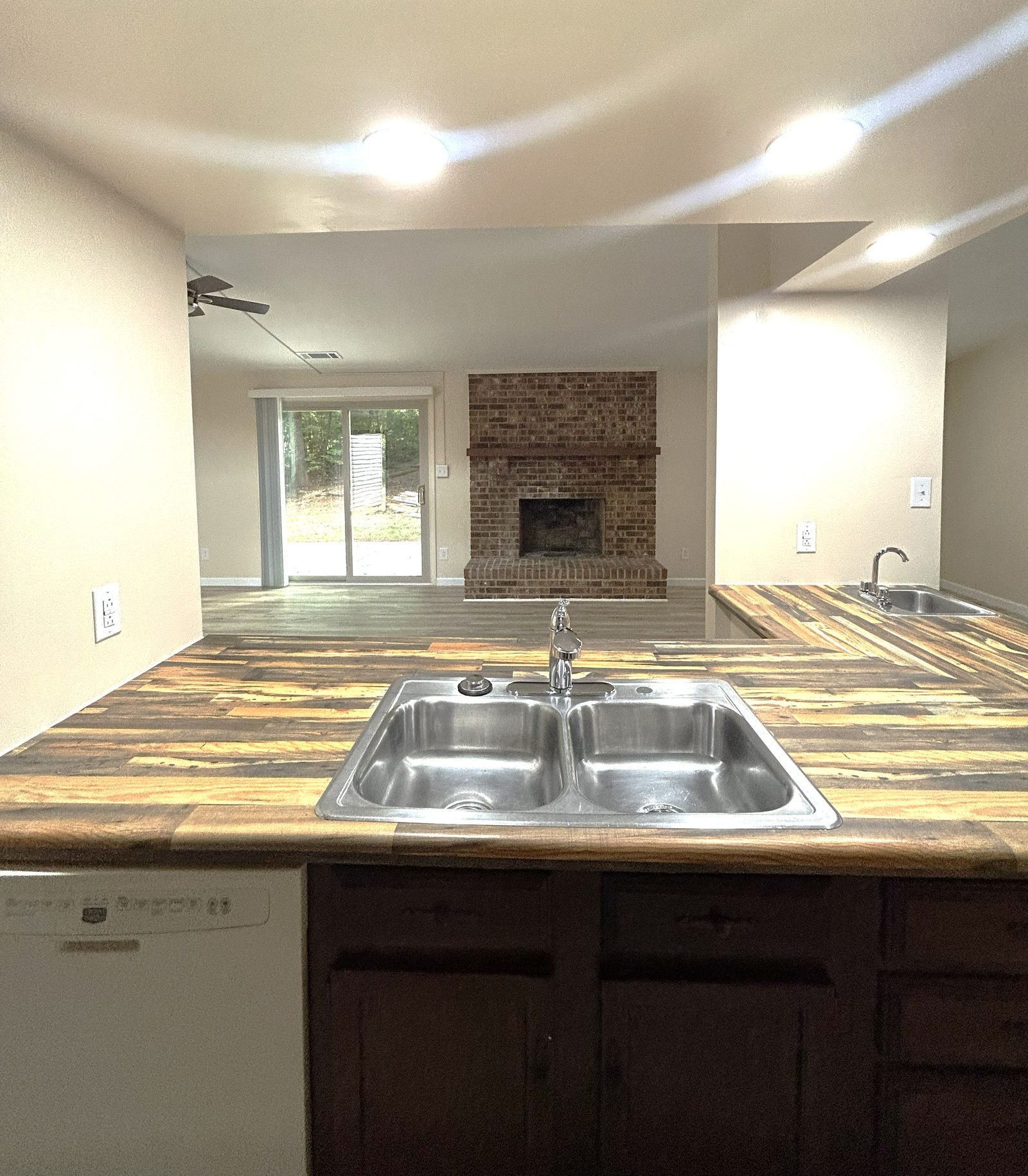
Rooms in our University City homes start at $525 a month, with utilities included in almost every one — electric, water, trash and internet in a single payment. Parking is included. There is a washer and dryer in the unit. Every bedroom has its own lock.
| A whole apartment (Charlotte average) | A room at UNCC Rooms | |
|---|---|---|
| Monthly rent | $1,566 | From $525 |
| Electric, water, trash, internet | Separate bills, on you | Included in almost every unit |
| Parking | Often an add-on | Included |
| Laundry | Varies | Washer and dryer in the unit |
| Income usually needed to qualify (3× rent) | About $56,376 a year | About $18,900 a year |
| What you get | The entire unit to yourself | A private bedroom with its own lock, plus shared common areas |
Set that against $1,566 and the difference is not marginal. For a lot of students it is the difference between needing a cosigner and not needing one.
What thirteen years and 1,500+ residents have taught us
Over the last thirteen years, more than 1,500 people have lived in our University City homes. Here is what that actually taught us.
- Most people do not arrive with roommates. They arrive alone, and that is normal. Students transfer in. Friends graduate at different times. Internships move. Graduate students land in Charlotte not knowing anybody. The arrangement cannot depend on four people having identical schedules, and ours does not.
- Shared communal areas are not the best fit for some people. Schedule differences, noise, overnight guests, kitchen habits, and tolerance for company all shape whether coliving would be a good option for people. We wrote more about why the kitchen decides that on our UNC Charlotte housing resource site.
Who should not rent a room from us?
Shared living is not a compromise everybody should make. If you need to control the thermostat, the noise and the schedule, a studio or a one-bedroom is a better fit and you should go rent one.
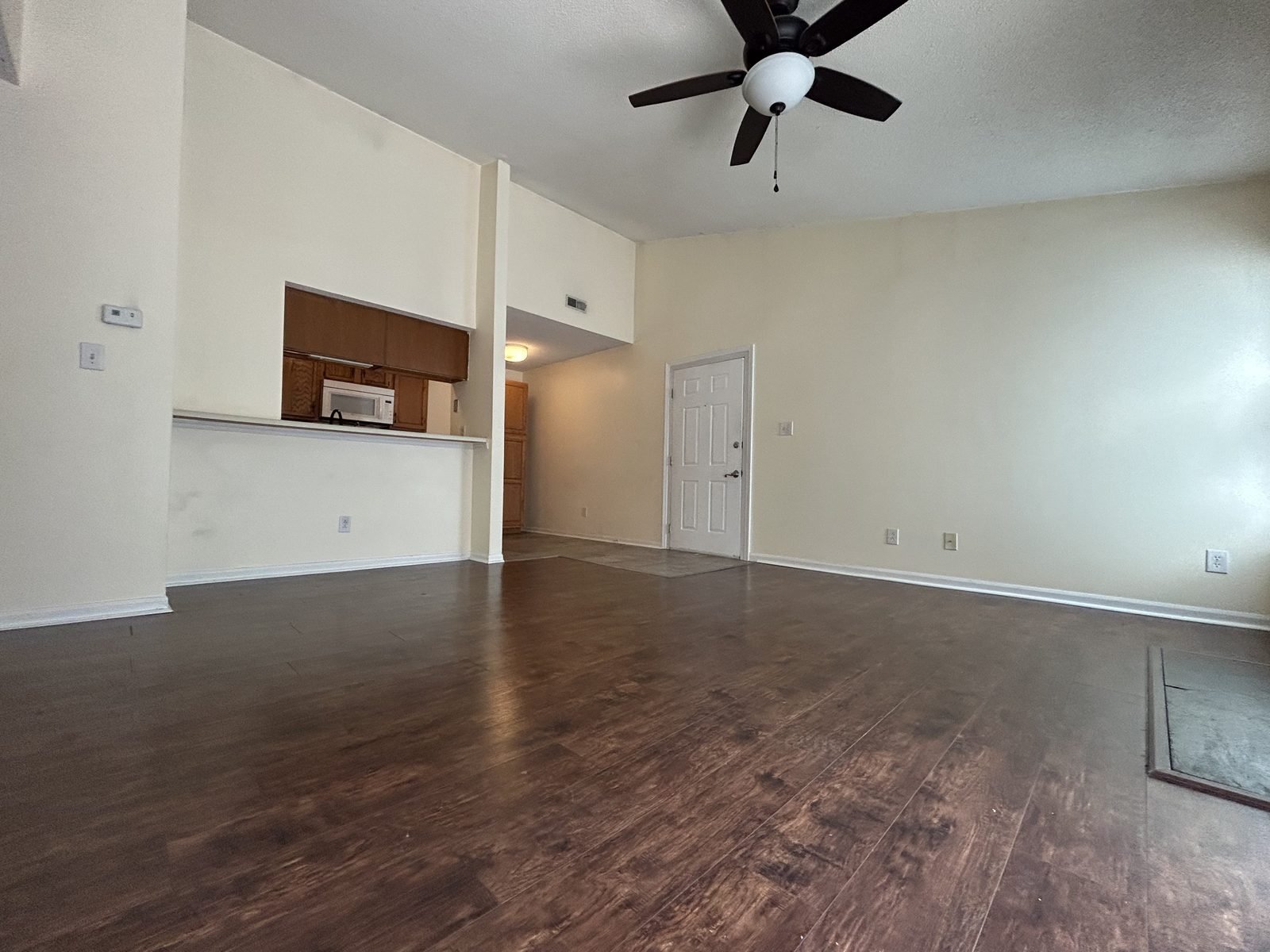
It works when people have private space when they want it and usable common space when they do not, and when the four people in the house extend each other some ordinary respect. When that is there, it works well. When it is not, no floor plan fixes it.
When should you start looking?
Earlier is not better, and here is the part nobody explains.
Why February is too early
Our leases require 90 days’ notice. That means the residents currently in the home do not have to tell us their plans until the end of April or the beginning of May. Before that date, nobody — including us — knows which rooms will be open for August. Anyone quoting you availability in February is guessing.
Our phone starts in February — calls, texts, email, WhatsApp — about six months ahead of the fall semester. Fall is the big rush. Spring is much smaller, and those calls come in October and November.
When somebody calls us in February about August, we tell them it is too early. That is not a brush-off. Our leases require ninety days’ notice, so the people currently living there do not have to tell us their plans until the end of April or the beginning of May. Until they do, we genuinely do not know what is going to be open. Anybody who tells you otherwise in February is guessing.
Around April we start reaching out to our current residents — how is school, are you traveling, are you graduating, what are you doing for the summer — so we can tell the people waiting what is likely to open up.
Deposits start coming in as early as April. April, May and June are when it actually happens. Most years we are full by the end of that stretch. July is last minute.
| When | What is actually happening |
|---|---|
| October – November | Spring-semester inquiries. A much smaller wave than fall. |
| February | Fall inquiries start, about six months out. Too early — nothing is confirmed yet. |
| End of April / early May | The 90-day notice deadline. Current residents declare their plans. First real picture of what will be open. |
| April – June | Deposits and commitments. Most years we fill in this window. |
| July | Last minute. Whatever is left. |
One honest warning about touring early: people are living in these homes while you walk through them. In thirteen years of showing student housing, a lived-in unit in April does not present the way an empty one does. If you want to see it looking its best, you are going to be looking at it after it is already gone.
Is this a trend or a permanent shift?
Charlotte added more housing units than households in 2024 — a surplus of roughly 4,000 — and apartment rents flattened as a result. Supply is catching up. That is real, and students have far more options today than they had in 2013.
What has not changed is the price of entry. A median home still requires $146,280 of household income. Under 2% of homes sell below $150,000. More supply at the top of the market does not put a first apartment within reach of a transfer student or somebody restarting after a divorce.
So the honest read is this: room rentals here are not a bubble created by a rent spike. They are an answer to a gap between prices and incomes that new supply has not closed.
Frequently asked questions
What is the difference between a by-the-bed lease and a normal lease?
On a by-the-bed or individual lease you rent only your bedroom and your share of the common areas, and you are financially responsible only for your own rent. On a traditional joint lease every tenant signs one agreement for the whole unit, which can make all of them responsible for the full rent if one person leaves. Read the actual lease before you sign — the agreement decides your obligations, not the listing.
What is co-living?
Co-living means private bedrooms with individual leases and shared common areas, usually with utilities bundled into one monthly payment. It is the same arrangement as renting by the room, described with newer vocabulary.
How much are rooms for rent near UNC Charlotte?
Rooms in our University City homes start at $525 per month with utilities included in almost every unit. Charlotte’s average effective apartment rent was $1,566 in 2025 according to UNC Charlotte’s State of Housing in Charlotte report. Availability and pricing change, so check current listings before you apply.
Do I need to find roommates before I apply?
No. Most of our residents apply on their own without a roommate group, and that has been the norm for years.
Do I have to be a UNC Charlotte student?
No. Our homes are near campus and many residents are UNC Charlotte students, but there is no enrollment requirement. We also house students from CPCC, Queens University and Johnson C. Smith, contract workers on assignment in Charlotte, and people in the middle of a move or a life change.
What happens if my housemate moves out?
Nothing changes for you. On an individual lease your obligation is your own room. Filling a vacant bedroom is our responsibility, and that is the main practical reason people choose this structure over a joint lease.
When should I start looking for a room for the fall?
Calls start in February, but our leases require ninety days’ notice, so current residents do not confirm their plans until late April or early May. April through June is when rooms get committed. July is last minute.
Ready to see what is open? Current rooms, floor plans and pricing in University City are on our availability page. Applying takes about ten minutes and the application fee is $50. Questions any time of day — text Parker, our AI leasing assistant (yes, it is AI), at 980-405-1970.
Sources
- Childress Klein Center for Real Estate, Belk College of Business, UNC Charlotte — State of Housing in Charlotte 2025, released October 29, 2025. Median home price $443,850; income required $146,280; 1.88% of homes sold under $150,000; effective apartment rent $1,566; 28,951 units added against 24,837 households in 2024; 19,754 apartment units added Q3 2024–Q3 2025. View the report
- UNC Charlotte — “UNC Charlotte’s enrollment surge sets another record,” September 3, 2025. Fall 2025 enrollment 32,207, prior record 31,091 in 2024; first-time-in-college 4,933; transfer enrollment 2,988, up more than 420.
- UNC Charlotte Housing and Residence Life — transfer students are not required to live on campus.
- UNCC Rooms — lease structure, resident counts, leasing calendar, pricing and property characteristics, University City, 2013–2026. First-party operating records.
- WBTV — “Co-living homes expand in Charlotte, offering affordable rental alternative,” August 4, 2026. Reports co-living expanding in Charlotte as an affordable rental alternative; cites rooms at roughly $200–$300 per week with utilities included against an average one-bedroom of about $1,500 per month. Read the WBTV story
About the author
Halah Kablan Ladson is Broker-In-Charge of UNCC Rooms, the student-housing division of Queen City Management Services (QCMS) in Charlotte, North Carolina. She has managed student housing in University City since 2013. She is a UNC Charlotte alumna, class of 2002. NC License No. 272964 · SC License No. 107533 · NC Firm No. C24768 · Est. 2013. Connect with Halah on LinkedIn.